

Faculty Research Profile
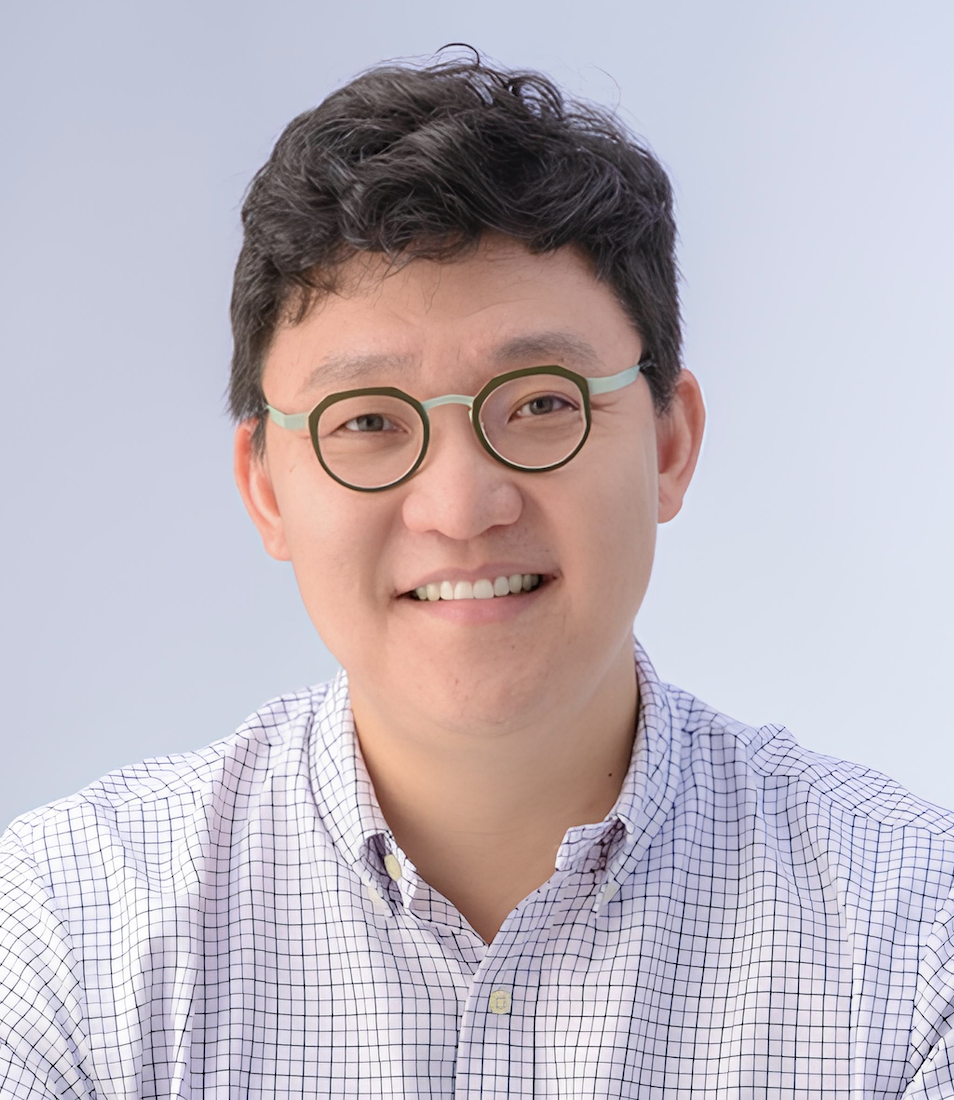
Sung-Min Hwang


학력
· 2014~2019: Ph.D., Division of Integrative Biosciences & Biotechnology, POSTECH, South Korea
· 2010~2013: B.S., Department of Medical Biotechnology, Kangwon National University, South Korea
주요 경력
· 2025~current: Assistant Professor, Department of Biological Sciences, Ulsan National Institute of Science and Technology, South Korea
· 2020~2025: Post-doctoral Fellow, Department of Obstetrics and Gynecology, Weill Cornell Medicine, Cornell University, USA
수상/학회/외부활동
· 2024: KASBP-KAIST/GCC Fellowship Award, Korean-American Scientists and Engineers Association (KSEA)
· 2024: New York Korean Biologists (NYKB) Annual Conference Fellowship, NYKB
· 2024: Andrew Kim Memorial Foundation (AKF) Scholarship, KSEA
· 2023: Korean Association of Immunologists (KAI) 2023 Travel Award, KAI
· 2022~2024: AACR-Bristol Myers Squibb Immuno-Oncology Research Fellowship, American Association for Cancer Research (AACR)
· 2015~2019: Global Ph.D. Fellowship Award, NRF
T 세포 면역학 및 면역치료 연구실
T cell Immunology & Immunotherapy Laboratory
우리 연구실 HWANG LAB은 면역의 핵심 전사(戰士)인 T 세포가 종양과 같은 혹독한 환경에서 어떻게 변화하고 적응하는지 탐구합니다. 우리는 종양 미세환경(TME)에서 작동하는 다양한 스트레스 신호와 면역 억제 기전을 규명하고, 이를 통해 T 세포 기능을 회복시킬 수 있는 근본적인 분자 기전을 밝히고자 합니다.
이러한 연구는 단순한 기초과학적 이해에 그치지 않고, 실제 치료로 이어지기 위한 응용 연구까지 확장됩니다. 우리는 CAR-T, TIL, TCR-T와 같은 차세대 면역세포 치료제가 종양에서 더 강력하게 작동하고, 더 오래 지속될 수 있도록 새로운 전략을 개발하고 있습니다. 이를 위해 세포골격(cytoskeleton)과 대사(immunometabolism)의 교차점, ER 스트레스와 UPR(비접힘단백질반응), T 세포 탈진과 배제 메커니즘, 종양과 면역세포의 상호작용 등 다양한 분자·세포 수준의 연구를 통합적으로 수행합니다.
궁극적으로 우리 연구실은 면역세포의 회복력(resilience)을 높이고, 이러한 지식을 환자 맞춤형 치료로 연결하여 암에 대응할 혁신적 면역치료법을 제시하는 것을 목표로 합니다.
Our lab, HWANG LAB, explores how T cells — the key warriors of our immune system — adapt to and are shaped by harsh environments such as tumors. We focus on identifying the stress signals and suppressive cues within the tumor microenvironment (TME) and uncovering the fundamental molecular mechanisms that can restore T cell function.
Our research goes beyond basic discovery to lay the foundation for translational and therapeutic innovation. We are developing new strategies to make next-generation immune cell therapies — including CAR-T, TIL, and TCR-T cells — more powerful and longer-lasting. To achieve this, we integrate studies on cytoskeletal control of T cell metabolism and function, ER stress and the unfolded protein response (UPR), mechanisms of T cell exhaustion and exclusion, and tumor–immune crosstalk.
Ultimately, our goal is to enhance the resilience of immune cells and translate these insights into patient-tailored immunotherapies, paving the way for innovative treatments for cancer.
Our lab, HWANG LAB, explores how T cells — the key warriors of our immune system — adapt to and are shaped by harsh environments such as tumors. We focus on identifying the stress signals and suppressive cues within the tumor microenvironment (TME) and uncovering the fundamental molecular mechanisms that can restore T cell function.
Our research goes beyond basic discovery to lay the foundation for translational and therapeutic innovation. We are developing new strategies to make next-generation immune cell therapies — including CAR-T, TIL, and TCR-T cells — more powerful and longer-lasting. To achieve this, we integrate studies on cytoskeletal control of T cell metabolism and function, ER stress and the unfolded protein response (UPR), mechanisms of T cell exhaustion and exclusion, and tumor–immune crosstalk.
Ultimately, our goal is to enhance the resilience of immune cells and translate these insights into patient-tailored immunotherapies, paving the way for innovative treatments for cancer.
연구분야
T 세포 면역학 & 암 면역치료, T 세포의 세포골격 & 대사 조절 연구, 면역 스트레스 생물학, 종양–면역 상호작용 연구
T cell immunology & cancer immunotherapy, Cytoskeletal & metabolic regulation of T cells, Stress biology in immunity, Tumor–immune crosstalk
연구주제
· T 세포의 대사와 기능을 조절하는 세포골격 조절 메커니즘(Cytoskeletal regulation of T cell metabolism and function)
· 암 면역에서의 소포체(ER) 스트레스와 비접힘단백질반응(UPR) 연구(Endoplasmic Reticulum (ER) stress and unfolded protein response (UPR) in cancer immunity)
· 종양 미세환경에서의 T 세포 탈진 및 배제 기전 규명(Mechanisms of T cell exhaustion and exclusion in the tumor microenvironment)
· 고형암 치료를 위한 CAR-T 및 TIL 면역세포 치료제 개발(Engineering CAR-T and TIL therapies for solid tumors)
· 지방조직과 종양 내 T 세포 간의 상호작용(crosstalk) 연구(Crosstalk between adipose tissue and intratumoral T cells in cancer)
· Cytoskeletal regulation of T cell metabolism and function
· Endoplasmic Reticulum (ER) stress and unfolded protein response (UPR) in cancer immunity
· Mechanisms of T cell exhaustion and exclusion in the tumor microenvironment
· Engineering CAR-T and TIL therapies for solid tumors
· Crosstalk between adipose tissue and intratumoral T cells in cancer
국가연구개발사업 기술 분류체계
국가과학기술표준분류
LA. 생명과학 > LA04. 면역학·생리학 > LA0403. 세포성/체액성 면역
논문
· Nat Rev Cancer, Endoplasmic reticulum stress responses in anticancer immunity. Hwang SM et al. 2025
· Nature, Transgelin 2 guards T cell lipid metabolism and anti-tumor function. Hwang SM et al. 2024
· Adv. Sci. LCK-Mediated RIPK3 Activation Controls Double-Positive Thymocyte Proliferation and Restrains Thymic Lymphoma by Regulating the PP2A-ERK Axis. Hwang SM et al. 2022
특허
Methods and compositions to modulate t cell metabolism, function, and fate. U.S. Provisional Application, Juan R. Cubillos-Ruiz & Sung-Min Hwang, July 3, 2024, U.S. Provisional Application No.: 63/667,417/ FH Reference No.: CUW-03660 (37300-03660